Call us Today!

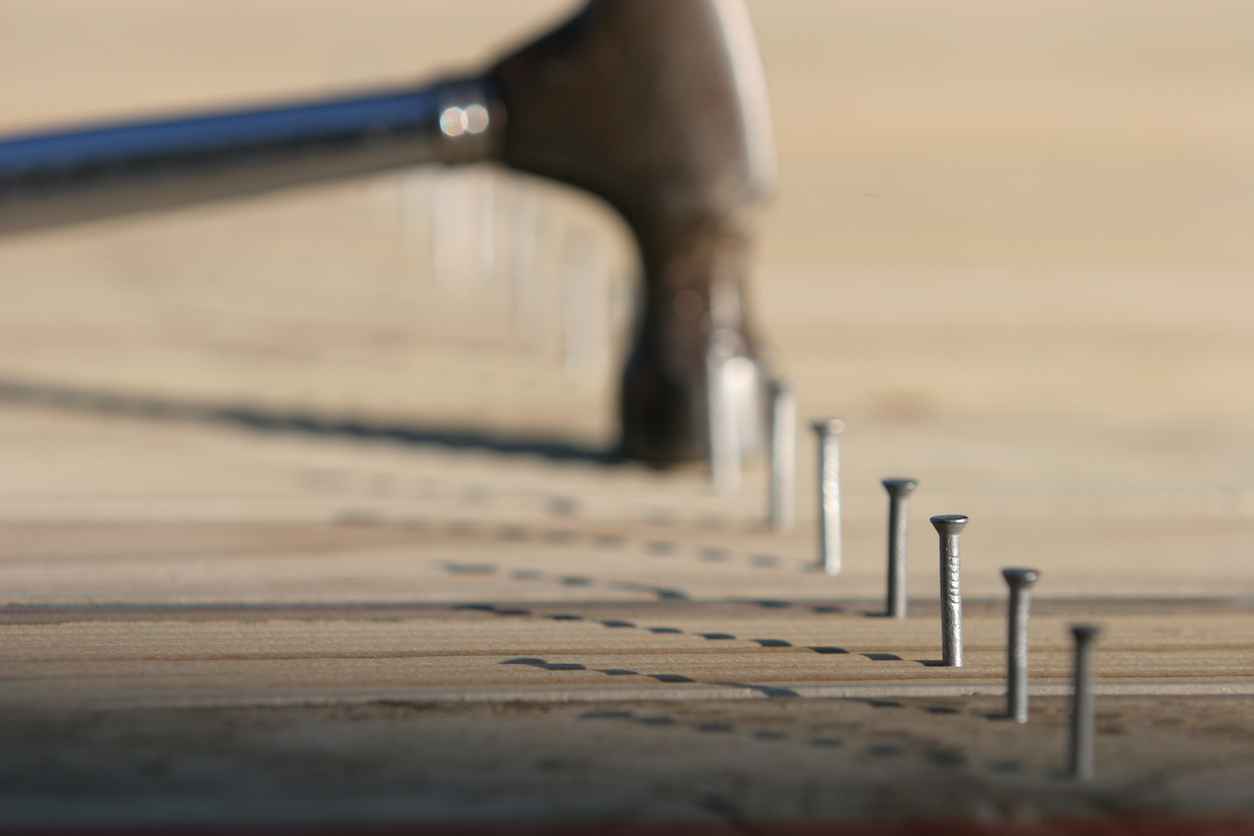
Hand-Nailing vs. Air Guns: Why Hand-Fastening Matters for Cedar Shingles
October 27, 2026
Why Hand-Nailing Is Critical for Long-Lasting Cedar Shingle Roofs
When installing a genuine cedar roof, material selection is only half the equation. The installation technique dictates whether those shingles will last for decades or begin failing within a few years.
Across modern residential construction, pneumatic air nailers have become standard practice because they prioritize speed. However, when working with high-grade cedar shakes and shingles, speed often comes at the expense of structural integrity.
Here is why hand-nailing remains the gold standard for luxury cedar roofing systems:
The Problem with Pneumatic Air Guns on Natural Cedar
Cedar is a natural wood characterized by straight grain, natural oils, and cellular density, which provide organic insulation and rot resistance. Because wood density naturally fluctuates from shingle to shingle, consistent pressure cannot be maintained with automated tools.
Pneumatic air guns deliver standardized, high-velocity force designed for synthetic materials like asphalt shingles. When applied to cedar, common failures occur:
- Over-Driven Fasteners: Excessive pressure drives nail heads deep into the wood fibers, breaking the surface seal. Water collects in these small depressions, initiating premature rot and shingle decay.
- Under-Driven Fasteners: Insufficient air pressure leaves nail heads proud, wearing down overlapping courses and allowing wind uplift.
- Split Wood Fibers: High-velocity pneumatic impacts routinely split thin cedar tapers, allowing moisture to infiltrate before the first rainfall.
These micro-fractures compromise the entire building envelope, leading to curling, cupping, and loose shingles over time.
Precision Control: The Hand-Nailing Advantage
Hand-fastening provides master artisans complete tactical control over fastener placement, depth, and angle.
When an experienced artisan hand-nails a cedar shingle:
- Fastener Depth Is Calibrated by Touch: Nails are driven flush with the surface without crushing or tearing the delicate wood fibers.
- Placement Adheres to Exact Margins: Fasteners are placed precisely above the exposure line and away from edges, preventing perimeter splitting.
- Grain Response Is Evaluated Live: A trained installer instantly recognizes density variations in each piece of wood and adjusts force accordingly.
This precise application prevents water pooling, preserves wind uplift ratings, and allows individual shakes to expand and contract naturally through freeze-thaw cycles.
Meeting Strict CSSB Guidelines and Warranty Standards
The Cedar Shake & Shingle Bureau (CSSB), the recognized authority on wood roofing specifications, explicitly recommends hand-nailing for optimal performance. Many premium cedar manufacturers design warranty protections around specific fastener types, depths, and placements. Over-driven nails from pneumatic guns frequently void these warranties, leaving homeowners unprotected. Hand-nailing ensures full compliance with manufacturer specifications from ridge to eave.
Craftsmanship That Protects Your Legacy: Turn to the Experts at Cedar Life
At Landmark Exteriors, we believe a roof is an engineered system, not just a surface covering. We never outsource your project to third-party subcontractors. Our in-house artisans are trained specifically in traditional hand-fastening methods to safeguard your architectural investment.
If you are planning a cedar roofing project in Fairfield County, CT, or Westchester County, NY, prioritize craftsmanship that endures. Contact Landmark Exteriors at (475) 244-1493 to schedule your free consultation today.
Recent News
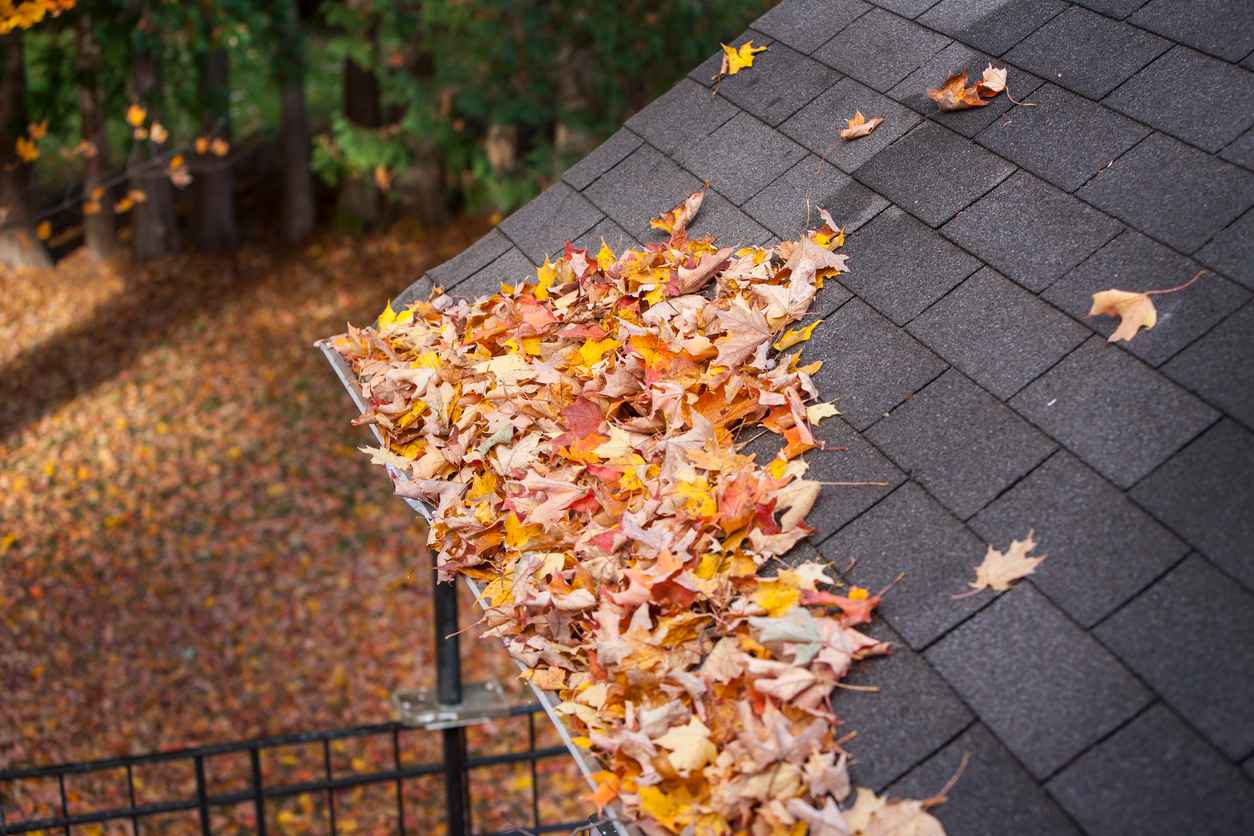
How Falling Leaves Can Affect Your Roof and Gutters
September 30, 2026
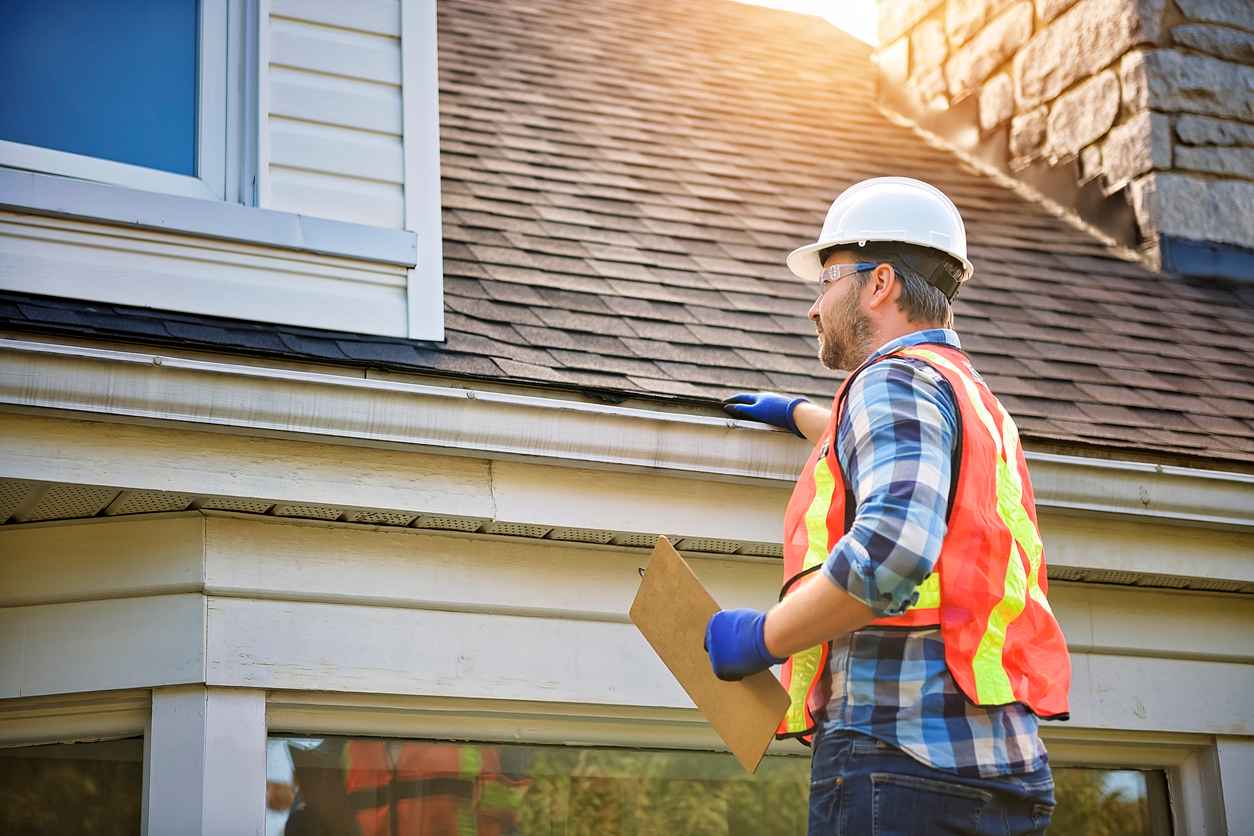
Why Professional Roof Inspections Save Homeowners Money
August 31, 2026
Summer Siding Maintenance Tips for Lasting Curb Appeal
July 29, 2026
Signs Your Cedar Roof Needs Professional Attention
June 25, 2026
Benefits of Metal Roofing in Warmer Months
May 27, 2026

Cedar, Metal, or Slate? Choosing the Right Roofing Material for Your Coastal Home
April 22, 2026